Amboseli National Park – Quick Check
ACCESS
-
Amboseli can be accessed both by road and by air.
-
By road: The park is approximately 230 km from Nairobi, with a driving time of 4–5 hours, depending on the route and road conditions.
-
The main access roads can be rough during the rainy season, so fly-in safaris (via Amboseli Airstrip) are a convenient and reliable alternative.
WEATHER
Amboseli lies at the foot of Mount Kilimanjaro, and although it’s near the equator, conditions are influenced by altitude and the surrounding semi-arid ecosystem.
-
Dry Season (June – October):
Temperatures reach around 28–30°C, with cooler mornings and evenings averaging 14–16°C. Clear skies, low vegetation, and great wildlife visibility.
-
Short Rains (November – December):
Afternoon showers with mild temperatures. Landscapes turn greener.
-
Short Dry Spell (January – February):
Warm and dry, with excellent game viewing.
-
Long Rains (March – May):
Heaviest rains occur in April; some roads may become muddy and challenging.
WILDLIFE
Amboseli is famous for its large elephant herds and iconic views of Mount Kilimanjaro. Wildlife is abundant and easy to spot due to the park’s open plains.
Animals:
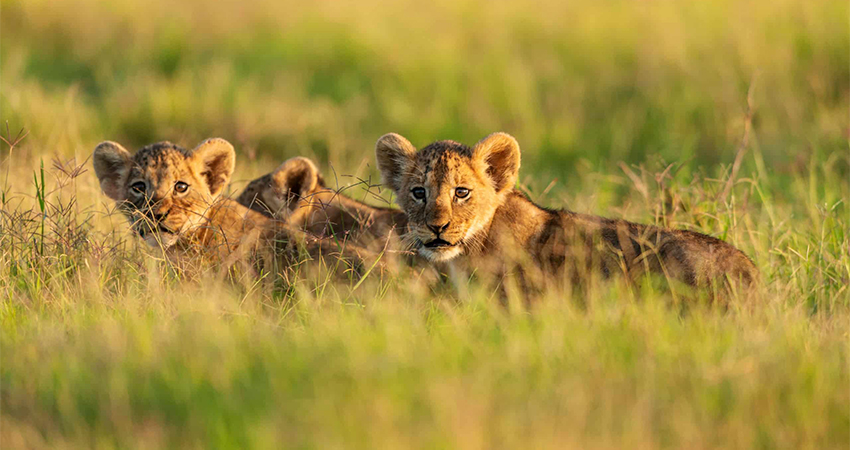
Elephants (huge herds), lions, cheetahs, leopards (rare), hyenas, buffalo, giraffe, hippo, zebra, wildebeest, impala, Thomson’s gazelle, eland, reedbuck, and occasionally wild dogs.
Birdlife:
Amboseli is a birdwatcher’s haven, with over 420 species recorded. Notable birds include:
BEST TIME TO VISIT
-
All year round, but the very best wildlife viewing is from June to October during the dry season.
-
Animals congregate around the swamps, offering incredible sightings—especially elephants.
-
Photography enthusiasts love the clear skies and Kilimanjaro views at this time.
Note: